




Dependable Brake Repair for Rugged Wyoming Roads
Keep your vehicle’s stopping power at peak performance through steep mountain descents, heavy towing, and freezing Lander winters.
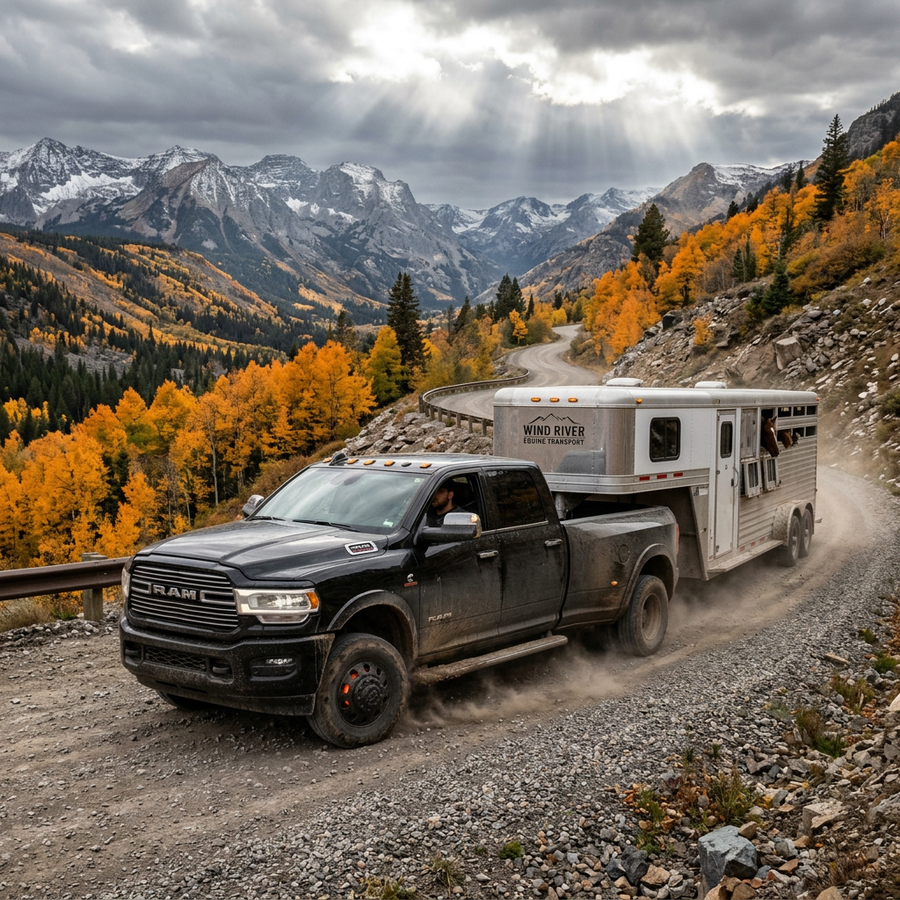
Slowing down a heavy vehicle on a steep mountain descent requires a braking system operating at peak efficiency. Whether you are hauling a horse trailer through the Wind River Mountains or navigating the daily commute, your vehicle's stopping power is your most critical safety feature. The mountain passes and dirt roads around Lander demand more from your brake pads, rotors, and calipers than typical highway driving. Heavy towing, steep declines, and sudden temperature drops accelerate wear on every component of your stopping system.
At Fremont Motor Lander Chrysler Dodge Jeep Ram, our team of factory-trained technicians understands the unique demands placed on your vehicle by local terrain and driving patterns. We specialize in maintaining the rugged durability of your heavy-duty Ram truck, off-road Jeep SUV, or family vehicle. Our service center is fully equipped to handle everything from routine fluid flushes to complete system overhauls. We utilize state-of-the-art diagnostic equipment to pinpoint wear patterns and mechanical issues before they turn into costly trailside failures.
Maintaining your stopping power requires high-quality replacement parts designed to withstand extreme thermal stress. When you bring your vehicle to our facility, we install genuine Mopar components engineered specifically for your vehicle's weight and performance parameters. If you prefer to handle maintenance in your own garage, you can easily order parts directly through our dedicated department. Our specialists will ensure you receive the exact matching components for your specific model year and trim.

Do not wait for a complete system failure to address your stopping performance. If you notice any change in pedal feel, stopping distance, or unusual noises, it is time to have a professional inspection. You can quickly schedule service online to find a time that fits your work week. For immediate assistance or to speak directly with an advisor about your vehicle's symptoms, give our service team a quick call today. If you are ready to drop off your vehicle, you can find our service bays located at 1731 W Main St, and you can map your route by getting directions to our dealership.
Table of Contents
- What Are the Common Signs That a Vehicle Needs Brake Repair?
- Which Brake Pad Material Is Best for Cold Wyoming Winters?
- What Specialized Tools Are Needed to Perform a DIY Brake Job?
- What Is Engine Braking and How Does It Save Your Brakes on Steep Hills?
- Answers to Your Common Questions About Brake Maintenance
What Are the Common Signs That a Vehicle Needs Brake Repair?
How do you know when your stopping system is starting to lose its efficiency? Recognizing the early warning signs of friction wear can save you from expensive rotor damage and keep your family safe on high-speed highways. The most common indicator is a high-pitched squealing sound when you apply pressure to the pedal. This noise is caused by a small, built-in metal wear indicator on the brake pad designed to scrape against the rotor when the friction material has worn down to a critical thickness.
Another frequent symptom is a distinct vibration or pulsing felt through the steering wheel or pedal during deceleration. This shaking typically points to warped rotors, which develop uneven thickness variations and high spots due to excessive heat buildup and pad material transfer during heavy stopping sequences. When the pads press against an uneven rotor surface, the hydraulic pressure fluctuates rapidly, sending vibrations back up the steering column. If you ignore this issue, the uneven contact will rapidly destroy your remaining pad material and compromise overall vehicle stability.
A soft or spongy pedal feel is a severe warning sign that requires immediate professional evaluation. This condition often indicates that air has entered the hydraulic lines, or that the master cylinder is beginning to fail internally. In a healthy system, hydraulic fluid is non-compressible, providing a firm, responsive pedal. If moisture contaminates the fluid, it can boil under heavy use, creating highly compressible gas pockets that cause the pedal to sink slowly to the floorboard.
If you ever experience a harsh, metallic grinding noise, the friction material has worn away completely. This metal-on-metal contact causes immediate, severe damage to the rotors and drastically reduces your ability to stop in an emergency. If you are driving an older vehicle that has seen heavy use on mountain trails, keeping up with these wear items is essential for long-term reliability. For drivers looking to compare the long-term durability of different utility vehicles, you can schedule a test drive in a used car to experience how well-maintained systems should feel after years of service.
Which Brake Pad Material Is Best for Cold Wyoming Winters?
Selecting the right friction material is critical when preparing your vehicle for sub-zero temperatures and snow-covered mountain roads. The choice of pad material directly impacts how quickly your system generates stopping power on freezing mornings. The three primary options available each offer distinct trade-offs in terms of temperature range, noise, and longevity:
Semi-Metallic
Constructed from copper, iron, steel, and graphite. They offer exceptional thermal conductivity, maintain integrity under extreme heat, and perform predictably in sub-zero temps with immediate bite before the system warms up.
Ceramic
Made from dense ceramic and copper fibers. Valued for quiet operation and low dust, they require a brief warm-up period to reach optimal operating temps, which can slightly delay max cold stopping response.
Organic
Composed of rubber, carbon, glass, and resin. They are soft and quiet but wear out quickly under heavy towing loads and steep mountain descents.
For the rugged environment around Dubois, semi-metallic pads are generally the preferred choice for trucks and heavy utility SUVs. The high metal content allows the pad to scrape away light surface rust that forms overnight on damp rotors, ensuring clean contact from your very first stop. While they may produce slightly more brake dust and noise than ceramic options, their consistent cold-weather performance and high resistance to brake fade during mountain descents make them the safest choice for severe winter driving.
What Specialized Tools Are Needed to Perform a DIY Brake Job?
Attempting to service your own stopping system in your home garage requires proper preparation and the correct equipment to ensure a safe, successful repair. Because these components rely on high-pressure hydraulics and precise mechanical tolerances, using makeshift tools can damage delicate seals or lead to uneven pad wear. Before you disassemble your calipers, you must secure the vehicle properly and gather the specialized gear necessary for the job.
First, safety requires a heavy-duty floor jack, high-capacity jack stands, and heavy wheel chocks to prevent any vehicle movement while you work underneath. Once the wheel is removed, you will need a high-quality socket set, including hex and Torx bits, as many modern calipers are secured with specialized guide bolts. A wire brush is essential for cleaning rust and road grime from the caliper carrier brackets, ensuring the new pads can slide freely without binding.
Compressing the caliper piston back into its housing to make room for the thicker, new pads requires specific compression tools. For standard single-piston calipers, a heavy-duty C-clamp or a basic pad spreader tool works efficiently. However, many modern rear systems feature integrated electronic parking brakes that require a specialized caliper wind-back tool to rotate and compress the piston simultaneously without damaging the internal motorized mechanism. Finally, a calibrated torque wrench is mandatory to tighten caliper mounting bolts and wheel lug nuts to exact factory specifications, preventing component distortion or loosening under driving vibrations.
What Is Engine Braking and How Does It Save Your Brakes on Steep Hills?
Riding your pedal continuously down a long mountain pass is a fast way to overheat your friction components, leading to a dangerous condition known as brake fade. When pads and rotors exceed their maximum thermal capacity, the binding resins in the pads can vaporize, creating a thin layer of gas between the pad and the rotor. This gas prevents direct physical contact, causing the pedal to feel firm while the vehicle fails to decelerate. Utilizing your engine to control your downhill speed is the most effective way to prevent this dangerous heat buildup.
Engine braking is the practice of shifting your transmission into a lower gear to let the natural compression of the engine restrict the vehicle's speed. When you lift your foot off the accelerator in a low gear, the closed throttle valve restricts airflow to the cylinders, creating a high vacuum. The energy required to pump air against this vacuum slows down the crankshaft, which in turn slows down the drive wheels through the transmission gearing.
Answers to Your Common Questions About Brake Maintenance
Q: How often should I have my brake fluid flushed?
Most manufacturers recommend replacing your hydraulic fluid every 2 years or 20,000 miles, though heavy towing in mountainous areas can accelerate this interval. Brake fluid is hygroscopic, meaning it actively absorbs moisture from the air over time. This water contamination lowers the boiling point of the fluid, which can lead to a spongy pedal and internal corrosion of the calipers and master cylinder. Our technicians use specialized test strips to measure moisture content and determine exactly when a flush is required to maintain system safety.
Q: Why does my vehicle pull to one side when I apply the brakes?
When a vehicle pulls hard to the left or right during deceleration, it usually indicates uneven pressure application between the front wheels. This symptom is commonly caused by a seized caliper piston or restricted guide pins on one side, preventing the pads from clamping the rotor with equal force. It can also point to a collapsed flexible hose that is restricting hydraulic pressure to one wheel. Because this issue compromises steering control during emergency stops, it requires immediate professional diagnosis.
Q: Do I always need to replace my rotors when I get new pads?
You do not always need new rotors, but they must be carefully measured with a micrometer to ensure they meet the minimum thickness specifications stamped on the casting. If the rotors are thick enough and have no deep scoring or heat spots, they can often be resurfaced on a brake lathe to create a perfectly flat mating surface for the new pads. However, if the rotors are warped, cracked, or worn below the safe wear limit, they must be replaced entirely to prevent premature pad wear and pedal pulsation.
Q: What causes a clicking noise when stepping on the brake pedal?
A distinct clicking or clunking sound when you press or release the pedal is often caused by loose pads moving inside the caliper bracket. This movement occurs when the anti-rattle clips or tension springs are worn, missing, or installed incorrectly. While it may not immediately compromise stopping power, the constant shifting of the pads will cause uneven wear on the friction material and can eventually damage the caliper carrier.
Q: How can I schedule an inspection if I suspect an issue?
If you notice any unusual noises, vibrations, or a soft pedal while driving through Lander, our service advisors are ready to help diagnose the issue. You can contact our team directly by calling (307) 335-3359 to discuss your symptoms and set up an appointment. If you prefer to drop off your vehicle or speak with a technician in person, you can get directions to our service center and bring your vehicle in for a comprehensive safety inspection.